Silambam Mastery
Siddhar
Siddhar
Siddhar & Manuscripts
Bahasa Malaysia : not_available / Malayalam : not_available / Telugu : తాళ పత్రం / Français : not_available
Siddha Manuscript
Siddha / Varma Kalai Manuscript
Last Updated: 17 September 2026 04:30 AM (GMT+8)
Books on Varmam
The main purpose of this rare ancient art of Varmam is to save the precious human lives. Misuse of this ancient art has caused our masters and ancestors to conceal informative texts about Varmam, which are in the form of palm-leaf manuscripts. Today, those manuscripts are in the brink of extinction. Hundreds of such rare manuscripts are scattered across many houses in South India (Tamil Nadu and Kerala). It is our duty to collect, processes, and transform these rare manuscripts into a form helpful to the Siddha Medicine. It is also our duty to safeguard these valuable texts and pass it on to the next generation. Thirumoolar Varmalogy Institute vows to do this task.
By analyzing the Varmam texts that are collected so far, our researchers have arrived at the following seven hypotheses of teaching Varmam. They are:
- Teaching Varmam points in relationship with self-defense
- Teaching Varmam points and their characteristics
- Teaching Varmam points in relationship with nervous system
- Teaching Varmam points in relationship with skeletal system
- Teaching reviving methods to cure diseases caused by Varmam
- Teaching medicines to cure diseases caused by Varmam
- Teaching spells (mantra) to cure diseases caused by Varmam
Below listed are some of the Varma Kalai manuscripts
- Agasthiyar Varma Thiravukol ( Tamil தமிழ் : அகத்தியர் வர்ம திறவுகோள் )
- Agasthiyar Varma Kandi ( Tamil தமிழ் : அகத்தியர் வர்ம கண்டி )
- Agasthiyar Oosi Murai Varmam ( Tamil தமிழ் : அகத்தியர் ஊசி முறை வர்மம் )
- Agasthiyar Vasi Varmam
- Varma Odivu Murivu ( Tamil தமிழ் : வர்ம ஒடிவு முறிவு சாரி - அகத்தியர் )
- Agasthiyar Varma Kannadi ( Tamil தமிழ் : அகத்தியர் வர்ம கண்ணாடி )
- Varma Varisai ( Tamil தமிழ் : வர்ம வரிசை )
- Agasthiyar Mei Theendakalai ( Tamil தமிழ் : அகத்தியர் மெய் தீண்டகலை )
Names of other known text are as follows:
- Varma Suthram ( Tamil தமிழ் : வர்ம சூத்திரம் - போகர் )
- Varma Beerangi
- Naalu Maathirai ( Tamil தமிழ் : நாட்டு மாத்திரை / நாலு மாத்திரை )
- Naramparai ( Tamil தமிழ் : நரம்பரை )
- Narambu Suthram 100 ( Tamil தமிழ் : நரம்பு சூத்திரம் 100 )
- Narambu Suthram 400 ( Tamil தமிழ் : நரம்பு சூத்திரம் 400 )
- Varma Odivu Murivu Sara Suthram 1500 ( Tamil தமிழ் : வர்ம ஒடிவு முறிவு சர சூத்திரம் 1500 )
- Panchakarnapinnal ( Tamil தமிழ் : பாஞ்ச கார்ண பிண்ணல் or variant )
- Alavunool Piramaanam ( Tamil தமிழ் : அளவுநூல் parameter / measure-text )
- Varma Odivu Murivu Kanḍasaari 300 ( Tamil தமிழ் : வர்ம ஒடிவு முறிவு கண்டசாரி 300 )
- Varma Thoondamani ( Tamil தமிழ் : வர்ம தூண்டாமணி )
- Aksakkural Venba 300 ( Tamil தமிழ் : அக்சக்குரல் வெண்பா 300 )
- Varma Gandam ( Tamil தமிழ் : வர்ம காண்டம் ) by Puli Pani ( Tamil தமிழ் : புலிப்பாணி )
Hundreds of similar such texts are never published and the world has no clue about them.
Varmam School of Thoughts
On researching over the available Varmam texts, it is evident that Varmam has grown under 3 independent schools of thoughts, mainly governed by 3 ancient siddha's namely Agasthiyar, Bohar and RamaDevar.
Philosophies of Varmam
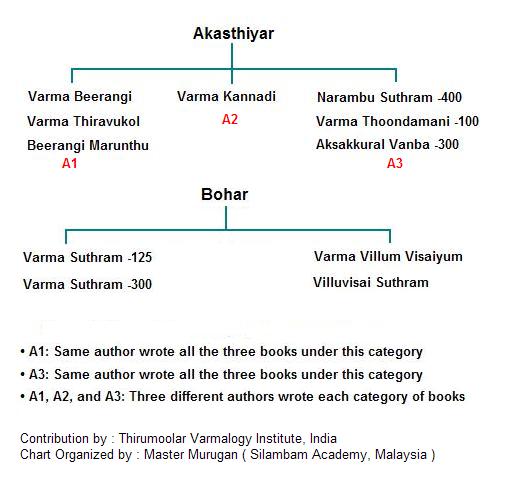
If we research the basic philosophies of the books in the category A1, A2 and A3, we can reach the philosophy of School A. Similarly by researching the basic philosophies of the books in other categories, we can arrive at the following 3 school of thoughts.
- Agasthiyar ( Tamil தமிழ் : அகத்தியர் ) School of Thought
- Bohar ( Tamil தமிழ் : போகர் ) School of Thought
- Rama Devar School of Thought
Please note that though we haven't come across any books written by Rama Devar, a separate school of thought has been created under his name. This is based on the inference from the following poem :
Kai Mathirai Thiravukol Verse 41
" பண்பாக அகத்தியனார் . ராமதேவர்
பணிவாக போகமுனிவர் தானும்
பருவமாய் மனிதர்கள் பிழைக்கவென்று
பாங்காகச் சொன்னதொரு நூல்கள் கண்டு
பார்த்திடவே சுருக்கமாய் பிரித்துச் சொன்னேன் "
Published Siddha Manuscripts (Alphabetical Order)
Published Siddha Books (Alphabetical Order)
List of known Varmam Books
வர்ம மருத்துவ நூல்களின் பெயர்கள்
| S/No. | Title | Tamil தமிழ் |
|---|---|---|
| 1. | Varma Alavai Nool | வர்ம அளவை நூல் |
| 2. | Fundamentals of Varma Medicine | வர்ம மருத்துவத்தின் அடிப்படைகள் |
| 3. | Location of Varma Points | வர்ம புள்ளிகளின் இருப்பிடம் |
| 4. | Varma Medicine (Special) | வர்ம மருத்துவம் (சிறப்பு) |
| 5. | Varma Medicine (General) | வர்ம மருத்துவம் (பொது) |
| 6. | Formulary of Varma Medicine | வர்ம மருந்து செய்முறைகள் |
| 7. | Varma Odivu Murivu Maruthuvam (Thoguthi-1 Elumbu Murivugal) | வர்ம ஒடிவு முறிவு மருத்துவம் (எலும்பு முறிவு - தொகுதி-1) |
| 8. | Varma Odivu Murivu Maruthuvam (Thoguthi-2 Narmbu Murivugal) | வர்ம ஒடிவு முறிவு மருத்துவம் (நரம்பு முறிவு – தொகுதி-2) |
| 9. | A Textbook of Varmam | வர்ம மருத்துவம் |
| 10. | Varmam 108 | வர்மம் – 108 |
| 11. | Varma Maruthuva Thodakka Paiirchi Kaiyadu | வர்ம மருத்துவம் – தொடக்கப் பயிற்சிக் கையேடு |
| 12. | Varma Noolalavu Soothitam | வர்ம நூலளவு சூத்திரம் |
| 13. | Varma Odivu Murivu Sari Soothiram-1500 | வர்ம ஒடிவு முறிவு சாரி சூத்திரம் -1500 |
| 14. | Varma Odivu Murivu Sara Soothiram -1200 | வர்ம ஒடிவு முறிவு சர சூத்திரம் -1200 |
| 15. | Varma Sara Soothira Thiravukol -36 | வர்ம சர சூத்திரத் திறவுகோல் -36 |
| 16. | Shathuramani Soothiram -600 | சதுரமணி சூத்திரம்-600 |
| 17. | Urapathi Naramparai | உற்பத்தி நரம்றை |
| 18. | Lada Soothiram -300 | லாட சூத்திரம் -300 |
| 19. | Adivarma Sootcham | அடிவர்ம சூட்சம் |
| 20. | Varma Lada Soothiram | வர்ம லாட சூத்திரம் |
| 21. | Varma Soothiram -200 | வர்ம சூத்திரம் -200 |
| 22. | Varma Beeranky -100 | வர்ம பீரங்கி -100 |
| 23. | Paduvarma Vibara Thathuva Kattalai | படுவர்ம விவர தத்துவக்கட்டளை |
| 24. | Nalu Mathirai (Urai) -180 | நாலு மாத்திரை உரை -180 |
| 25. | Varmani Soothiram -100 | வர்மாணி சூத்திரம் -100 |
| 26. | Odivu Murivu Kattumurai Sari -110 | ஒடிவு முறிவு கட்டுமுறை சாரி -110 |
| 27. | Odivu Murivu Kattu Soothiram -60 | ஒடிவு முறிவு கட்டு சூத்திரம் -60 |
| 28. | Varma Soothiram -50 | வர்ம சூத்திரம் -50 |
| 29. | Varma Beeranky Thiravukol -16 | வர்ம பீரங்கி திறவுகோல் -16 |
| 30. | Varma Soodamani | வர்ம சூடாமணி |
| 31. | Varma Kannadi -500 | வர்ம கண்ணாடி -500 |
| 32. | Varma Kalai Kannadi Soothiram -200 | வர்ம கலைகண்ணாடி சூத்திரம் -200 |
| 33. | Varma Kalai Kannadi Soothira Thiravukol | வர்ம கலை கண்ணாடி சூத்திர திறவுகோல் |
| 34. | Varma Noolyani -200 | வர்ம நூலேணி – 200 |
| 35. | Varma Sootchathi Sootcham -100 | வர்ம சூட்சாதி சூட்சம் – 100 |
| 36. | Varma Kandi -60 | வர்ம கண்டி – 60 |
| 37. | Varma Alavu Nool -50 | வர்ம அளவு நூல் – 50 |
| 38. | Varma Mutthirai -200 | வர்ம முத்திரை – 200 |
| 39. | Thattu Varma Nithanam -32 | தட்டு வர்ம நிதானம் 32 |
| 40. | Ul Soothiram -32 | உள் சூத்திரம் – 32 |
| 41. | Varma Kaimurai -36 | வர்ம கைமுறை – 36 |
| 42. | Varma Theerppu -32 | வர்ம தீர்ப்பு – 32 |
| 43. | Varma Kaviyam -28 | வர்ம காவியம் – 28 |
| 44. | Varmani -16 | வர்மாணி – 16 |
| 45. | Varma Beeranky 100 in Thiravukol -16 | வர்ம பீரங்கி 100- க்கு திறவுகோல் 16 |
| 46. | Varma Ponnosi Thiravukol | வர்மபொன்னூசி திறவுகோல் |
| 47. | Thoudu Varma Thiravukol 16 | தொடுவர்ம திறவுகோல் 16 |
| 48. | Ul Soothiram -16 | வர்ம குருநாடித் திறவுகோல் -32 |
| 49. | Varma Urpana Sari -32 | வர்ம உற்பன சாரி -32 |
| 50. | Varma Angathi Patham | வர்ம அங்காதி பாதம் |
| 51. | Varma Kurunadi | வர்ம குருநாடி |
| 52. | Varma Kurunadi Thiravukol | வர்ம குருநாடி திறவுகோல் |
| 53. | Varma Sari | வர்ம சாரி |
| 54. | Varma Villum Vesaiyum Soothiram | வர்ம வில்லும் விசையும் சூத்திரம் |
| 55. | Varma Oli -1000 | வர்ம ஒளி -1000 |
| 56. | Varma Nithanam -500 | வர்ம நிதானம் –500 |
| 57. | Varma Gnana Odivu Murivu Sara Soothiram -2200 | வர்ம ஞான ஒடிவு முறிவு சர சூத்திரம் 2200 |
| 58. | Varma Kandam -1500 | வர்ம காண்டம் -1500 |
| 59. | Varma Sootcham -1500 | வர்ம சூட்சம் -1500 |
| 60. | Odivu Murivu Sari Nigandukarathi -1200 | ஒடிவு முறிவு சாரி நிகண்டகராதி -1200 |
| 61. | Varma Nithanam -500 | வர்ம நிதானம் -500 |
| 62. | Varma Avathi Nithanam -500 | வர்ம அவதி நிதானம் -500 |
| 63. | Varma Marundhu Soothiram -500 | வர்ம மருந்து சூத்திரம் -500 |
| 64. | Varma Soodamani -500 | வர்ம சூடாமணி -500 |
| 65. | Agathiyar Kurunadi -500 | அகத்தியர் குருநாடி -500 |
| 66. | Pancha Soothiram -500 | பஞ்ச சூத்திரம் -500 |
| 67. | Varma Thoonda Mani -416 | வர்ம தூண்டாமணி -416 |
| 68. | Nalu (Mani) Mathirai -400 (Urai) | நாலு (மணி) மாத்திரை -400 (உரை) |
| 69. | Vagada Nithanam -350 | வாகட நிதானம் -350 |
| 70. | Varma Sara Sankiraga Murivu Sari -350 | வர்ம சார சங்கிரக முறிவு சாரி -350 |
| 71. | Varma Odivu Murivu Gnanam -300 | வர்ம ஒடிவு முறிவு ஞானம் -300 |
| 72. | Vilvisai Kaivalliyam -300 | வில்விசை கை வல்லியம் -300 |
| 73. | Varma Atchara Kural -300 | வர்ம அட்சரக் குறள் -300 |
| 74. | Urpana Sari -205 | உற்பன சாரி -205 |
| 75. | Varma Thiravukol -225 | வர்ம திறவு கோல் -225 |
| 76. | Narambu Pinal Soothiram -213 | நரம்பு பின்னல் சூத்திரம் -213 |
| 77. | Varma Soothiram -205 | வர்ம சூத்திரம் -205 |
| 78. | Chekilshai Murivu Sari -205 (Urai) | சிகிச்சை முறிவு சாரி -205 (உரை) |
| 79. | Varma Sari -205 | வர்ம சாரி -205 |
| 80. | Narmpu Soothiram -150 | நரம்பு சூத்திரம் -150 |
| 81. | Varma Kuru Nool -130 | வர்ம குரு நூல் -130 |
| 82. | Varma Nithanam -125 | வர்ம நிதானம் -125 |
| 83. | Nalu Mathirai -120 (Urai) | நாலு மாத்திரை -120 (உரை) |
| 84. | Varma Thathuva Soodamani -100 | வர்ம தத்துவ சூடாமணி -100 |
| 85. | Sokkuma Sinthamani -120 | சூக்கும சிந்தாமணி -120 |
| 86. | Thoudu Varma Nithanam -110 | தொடு வர்ம நிதானம் -110 |
| 87. | Pathathi Kesa Varma Aani -108 (Urai) | பாதாதி கேச வர்ம ஆணி -108 (உரை) |
| 88. | Varma Kandi Sasthiram -108 | வர்ம கண்டி சாஸ்திரம் -108 |
| 89. | Varma Narmbarai -108 | வர்ம நரம்பறை -108 |
| 90. | Varma Nool -100 | வர்ம நூல் -100 |
| 91. | Varma Villang Alavu Korvai -100 (Varma Thachu Sasthiram) | வர்ம வில்லங்க அளவு கோர்வை -100 (எனும் வர்ம தச்சு சாஸ்திரம்) |
| 92. | Varma Amarthal Murai | வர்ம அமத்தல் முறை |
| 93. | Narambu Soothiram -100 | நரம்பு சூத்திரம் -100 |
| 94. | Vaithiya Sathagam -100 | வைத்திய சதகம் -100 |
| 95. | Varma Muda Murivu Sari -100 | வர்ம முடமுறிவு சாரி -100 |
| 96. | Murivu Nithanam -100 | முறிவு நிதானம் -100 |
| 97. | Varma Kundooshi -100 | வர்ம குண்டூசி -100 |
| 98. | Varma Vithi -67 | வர்ம விதி -67 |
| 99. | Agathiyar Suvadu Murai -64 | அகத்தியர் சுவடுமுறை -64 |
| 100. | Lada Soothiram -64 | லாட சூத்திரம் -64 |
| 101. | Adangal Mathirai Thiravukol -51 | அடங்கல் மாத்திரை திறவு கோல் -51 |
| 102. | Varma Sootcham Kaipaga Kai Valliya Nool -50 | வர்ம சூட்ச கைபாக கை வல்லிய நூல் -50 |
| 103. | Varma Noolalavu Soothiram -50 | வர்ம நூலளவு சூத்திரம் -50 |
| 104. | Varma Kandi -60 | வர்ம கண்டி -60 |
| 105. | Odivu Murivu Kattu Soothiram -60 | ஒடிவு முறிவு கட்டு சூத்திரம் -60 |
| 106. | Varma Sasthiram -60 | வர்ம சாத்திரம் -60 |
| 107. | Murivu Kattu Thiravukol -50 | முறிவு கட்டு திறவு கோல் -50 |
| 108. | Varma Villum Visaiyum -50 | வர்ம வில்லும் விசையும் -50 |
| 109. | Nallu Mathirai Thiravukol -50 (Urai) | நாலு மாத்திரை திறவு கோல் -50 (உரை) |
| 110. | Varma Kaimurai Sootcham -36 | வர்ம கைமுறை சூட்சம் -36 |
| 111. | Varma Kaivalliyam -36 | வர்ம கைவல்லியம் -36 |
| 112. | Narampu Soothiram -35 | நரம்பு சூத்திரம் -35 |
| 113. | Varma Kurunaadi -35 | வர்ம குருநாடி -35 |
| 114. | Varma Kurunaadi Thiravukol -32 | வர்ம குருநாடித் திறவுகோல் -32 |
| 115. | Varma Urpana Sari -32 | வர்ம உற்பன சாரி -32 |
| 116. | Varma Alavu Nool -30 (Urai) | வர்ம அளவு நூல் -30 (உரை) |
| 117. | Varma Kaviyam | வர்ம கண்ணாடி |
| 118. | Varma Soodi | வர்ம சூடி |
| 119. | Pogar Varma Soothiram -25 | போகர் வர்ம சூத்திரம் -25 |
| 120. | Ullura Adangal Adakkam -24 | உள்ளுர அடங்கல் அடக்கம் -24 |
| 121. | Pancha Soothira Thiravukol -20 | பஞ்ச சூத்திர திறவு கோல் -20 |
| 122. | Naramparai -400 | நரம்பறை -400 |
| 123. | Varma Thadavu Murai -16 | வர்ம தடவு முறை -16 |
| 124. | Varmaani -16 | வர்மாணி -16 |
| 125. | Varma Kandi -16 | வர்ம கண்டி -16 |
| 126. | Varma Sura Nool -16 | வர்ம சுரநூல் -16 |
| 127. | Varma Thiravukol -16 | வர்ம திறவுகோல் -16 |
| 128. | Ponnusi Thiravukol -16 | பொன்னூசி திறவுகோல் -16 |
| 129. | Varma Thathuva Soodamani -100 | வர்ம தத்துவ சூடாமணி -100 |
| 130. | Varmaani Soothiram | வர்மாணி சூத்திரம் |
| 131. | Nadasari -16 | நடசாரி -16 |
| 132. | Thoudu Varma Thiravukol -16 | தொடு வர்ம திறவுகோல் -16 |
| 133. | Sarvaanga Adangal Aani | சர்வாங்க அடங்கல் ஆணி |
| 134. | Sarvaanga Adangal Thiravukol -13 | சர்வாங்க அடங்கல் திறவு கோல் -13 |
| 135. | Thuritha Elakumurai Adangal Thiravukol -13 | துரித இளக்குமுறை அடங்கல் திறவு கோல் -13 |
| 136. | Varma Aanni Thiravukol -18 | வர்ம ஆணித் திறவு கோல் -18 |
| 137. | Santor Rakaseyam -10 | சான்றோர் இரகசியம் -10 |
| 138. | Varma Athisayam -10 | வர்ம அசாத்தியம் -10 |
| 139. | Thattu Varma Suvadu -8 | தட்டு வர்மச் சுவடு -8 |
| 140. | Marana Kandi -6 | மரண கண்டி -6 |
| 141. | Varma Aaram -6 | வர்ம ஆரம் -6 |
| 142. | Karppinigal Varma Elakku Murai -5 | கர்ப்பிணிகள் வர்ம இளக்குமுறை -5 |
| 143. | Varma Vilakkam (Urai) | வர்ம விளக்கம் (உரை) |
| 144. | Varma Kalppam -62 | வர்ம கல்பம் -62 |
| 145. | Pranna Adakkam Ennum Varma Deyveeka Adangal | பிராண அடக்கம் எனும் வர்ம தெய்வீக அடங்கல்கள் |
| 146. | Varma Viralalavu Nool (Urai) | வர்ம விரலளவு நூல் (உரை) |
| 147. | Varma Viralalavu Soothiram | வர்ம விரலளவு சூத்திரம் |
| 148. | Varmamum Ealupu Muraiyum | வர்மமும் எழுப்பு முறையும் |
| 149. | Adduku Nilai Pothagam (Varma Tharka Sasthiram) | அடுக்கு நிலை போதகம் (வர்ம தற்க சாஸ்திரம்) |
| 150. | Jeevourppathi Sinthamani | சீவோற்பத்தி சிந்தாமணி |
| 151. | Varma Kaipaga Kaivalliyam Nool | வர்ம கைபாக கைவல்லியம் நூல் |
| 152. | Mangaiyar Mani | மங்கையர் மணி |
| 153. | Varma Kandi (Vadakan Vali) | வர்ம கண்டி (வடக்கன் வழி) |
| 154. | Karppa Sari Soothiram | கர்ப சாரி சூத்திரம் |
| 155. | Beeman Vali Kurunthadi Siramam -120 | பீமன் வழி குறுந்தடி சிரமம் -120 |
| 156. | Agathiyar Kampu Soothiram | அகத்தியர் கம்பு சூத்திரம் |
| 157. | Koodalozhivu Siramam | கூடலொழிவு சிரமம் |
| 158. | Murivu Sari Adangal -80 | முறிவு சாரி அடங்கல் -80 |
| 159. | Kaya Nithanam | காய நிதானம் |
| 160. | Mattu Varma Vagadam | மாட்டு வர்ம வாகடம் |
| 161. | Varma Vaithiya Makudam | வர்ம வைத்திய மகுடம் |
| 162. | Varma Sasthira Samagaram | வர்ம சாஸ்திர சமகாரம் |
| 163. | Varma Sasthira Pedika | வர்ம சாஸ்திர பீடிகா |
| 164. | Lada Soothiram -1200 | லாட சூத்திரம் -1200 |
| 165. | Varma Kalai Kalanchiyam | வர்ம கலைக் களஞ்சியம் |
| 166. | Tenpandi Tamilarin Silampavaralarum Adimurikalm Part-1 | தென்பாண்டித் தமிழரின் சிலம்ப வரலாறும் அடிமுறைகளும் தொகுதி-1 |
| 167. | Tenpandi Tamilarin Silampavaralarum Adimurikalm Part-2 | தென்பாண்டித் தமிழரின் சிலம்ப வரலாறும் அடிமுறைகளும் தொகுதி-2 |
| 168. | Varma Ariviyal Pada Nool | வர்ம அறிவியல் பாடநூல் |
| 169. | Varma Maruthuva Kaiyadakam | வர்ம மருத்துவ கையடக்கம் |
| 170. | Odivu Murivu Sari Nigandugarathi -1200 (500 – Classics Only) | ஒடிவு முறிவு சாரி நிகண்டகராதி -1200 (500 பாடல்கள் மட்டும்) |
| 171. | Varma Vithi | வர்ம விதி |
| 172. | Paddu Varmam -12 | படுவர்மம் -12 |
| 173. | Nedum Silampa Kalai Part-1 | நெடும் சிலம்பக் கலை பாகம் -1 |
| 174. | Nedum Silampa Kalai Part-2 | நெடும் சிலம்பக் கலை பாகம் -2 |
| 175. | Siddhirkalin Varma Soothirnkal | சித்தர்களின் வர்ம சூத்திரங்கள் |
| Author | No of Siddha texts |
|---|---|
| Agastyar | 70 |
| Bogar | 7 |
| Bhramamuni | 3 |
| Dakshinamoorthy | 4 |
| Dhanvantri | 7 |
| Korakkar | 3 |
| Karuvoorar | 7 |
| Machamuni | 3 |
| Nandheesar | 5 |
| Pulipani | 5 |
| Ramadevar | 5 |
| Romarishi | 3 |
| Sattamuni | 7 |
| Sundaranandar | 3 |
| Therayar | 2 |
| Thirumoolar | 2 |
| Yacobu | 1 |
| Healers notes | 120 |
Though most of the scripts contain more than one area of knowledge, like formulation, treatment, diagnosis, specialty, the primary content was taken for content classification. The subject elaborated in the palm manuscripts had a large number of formulations, disease classification, and specialty areas of treatment (Table 2).
The availability of palm manuscripts of specialty areas like Varmam, Ophthalmology, Toxicology, Inorganic formulation and pulse diagnosis reveal the strength of the Traditional Siddha system of medicine. The treatise on Materia medica ‘Agastyar Gunapadam’ which was collected during this process was over 300 years and probably the first Siddha treatise which elaborates the properties of different herbal raw materials and food substances. The latter texts like ‘Pathartha Guna chintamani’ ‘Pathartha Guna Vilakkam’ are based on this text as we found out in slightly altered forms (in terms of words).
The presence of Unani medicine in Tamil was also not known before and is worth further studies. The presence of eight texts on pulse diagnosis which elaborates the most important diagnostic tool which is unique to this traditional medical system provides lot of research opportunity. The Siddha texts on disease of the children (Kulandhai Maruthuvam) not only elaborate the different disease conditions but also preventive care. The treatise on Karneegam - ear diseases is also less known and requires further detailed study.
Table 2: Content of the Manuscripts
| Subject | No of texts |
|---|---|
| Formulations of Healers | 60 |
| Processing of inorganic | 4 |
| Materia Medica | 2 |
| Diagnostic methods | 2 |
| Pulse diagnosis | 8 |
| Disease description –Vaatham | 7 |
| Disease description - Fever | 3 |
| Ophthalmology – Nayana Vidhi | 3 |
| Pediatrics – Kulandhai Maruthuvam | 5 |
| Women health including ante-natal care | 3 |
| Ear disease- Karneegam | 1 |
| Surgery – Saliyam | 1 |
| Drug Synthesis – Sarakku Vaippu | 1 |
| Varma | 3 |
| Unani Medicine | 1 |
| Treatment Procedures | 12 |
| Mystic treatment- Faith healing | 12 |
| Toxicology – Vishavaidyam | 2 |
| Assorted including medicines, prayers, treatment | 128 |
Figure 2: Palm manuscript bundles
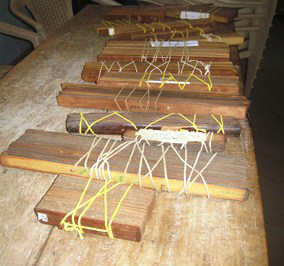
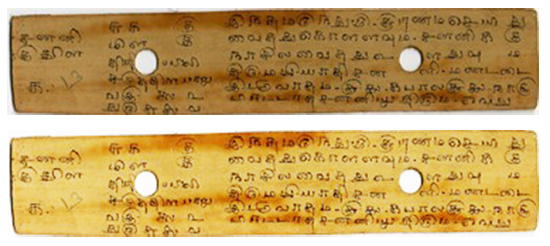
Figure 3: Siddha palm manuscripts (a) before cleaning process and (b) after cleaning process
The damage of the palm manuscripts have occurred due to improper maintenance as many owned it by default as a family property with little interest in the traditional medicine and also due to inadequate knowledge either in conserving or digitization. During our field studies it was observed that the rare palm manuscripts leaves were destroyed by rodents, moth or due to vagaries of climate and some got trenched in rain as they are mostly kept in the roof of huts. It was also observed, where ever they were held by practicing healers, they were in a reasonably good state, this is evident from the fact as many as 120 original texts which are over 300 years were found in good shape. An organized search for old manuscripts in the possession of individuals, libraries of religious institutions, monasteries may yield rich results. The critical examination of these manuscripts, cataloging, their publication and translation, are among the many things that needs to be done to fully explore the potential of the South Indian Traditional medicine - Siddha. Still many thousand palm manuscripts lie with individual healers and institutes, which needs to be digitized and creation of proper catalogue of all such works needs to be carried out in the future, particularly from Southern part of Tamil Nadu. The recent palm manuscripts are mostly clinical experiences of individual healers and formulations used by them in practice. The clinical experience with these formulations vouchsafe for the efficacy.
The current work is only a tip of the iceberg and efforts needs to be taken to digitize the palm manuscripts collected so far by various Organisation and a complete catalogus catalogorum of Siddha manuscripts needs to be created and made available online so that, comparative analysis is taken up and critical editions of Siddha texts published. The treasure of formulations will open up new opportunities in the area of drug development.
Authors acknowledge the Department of AYUSH, Govt. of India for the grant for digitization of Siddha Tamil Manuscripts and Vd. S.Usman Ali, Director of our institute for guidance and various healers for providing the palm manuscripts. The Authors thank Mr. Adikesavan for assistance in preserving the manuscripts.
- 1. Kurup PNV. Ayurvedic. In: Chaudhury RR, Rafei UM, editors. Traditional Medicine in Asia. Word Health Organisation, Regional Office for South East Asia. New Delhi; 2001.p.4-16.
- 2. Tripathi DS, editor. Guidelines for digitiza-tion of archival material. India: National Mission for Manuscripts; 2005.p.19.
- 3. Sridhar TS, Soundrapandian S. Institution in Focus: Government Oriental Manuscripts Library and Research Centre, Chennai. Kriti Rakshana Dec.2010-March 2011;6:7.
- 4. Sridhar TS, Soundrapandian S. Institution in Focus: Government Oriental Manuscripts Library and Research Centre, Chennai. In: Paliwal N, Chakraborty M, editors. National Mission for Manuscripts. India;2006.p.9
- 5. Thirunarayanan T, Rajkumar S, Ali SU, 2011. Annual Report on Documentation and Validation of Traditional Healers of North Tamil Nadu 2011. India: Centre for Tradi-tional Medicine.
- 6. Tripathi DS, editor. Guidelines for Digitiza-tion of Archival Material. India: National Mission for Manuscripts; 2005.p.20-40.
- 7. Agrawal, Om Prakesh. Conservation of Man-uscripts and Paintings of South-east Asia. London: Butterworths & Co Ltd.;1984.
Silambam Asia (SILA) is in official partnership with the United Nations Sustainable Development Goals (UN-SDGS) to preserve and safeguard the Indian traditional arts, sports, cultural, and educational content of Silambam at the international level.
SILAMBAM ASIA plays active roles as an international organization for governance and sustainable development in the Indian traditional arts and sports for education, health, fitness, culture, nature, climate change, recreation, and dissemination of all these related information. Thus, it is vital to provide expertise for members by providing training, research, revive, rejuvenate, retain, and restore.
The mission of SILAMBAM ASIA is to provide effective international governance by constantly improving technical rules and regulating Silambam competitions or participation in international events or sporting arenas to be recognized as an Olympic and Paralympic sport in the near future.
Silambam Asia - Introduction
Indian traditional arts and sports for education, health, fitness, culture, nature, climate change, recreation, and dissemination.
Video content with development work, achievements and silambam history.
We Support






Make A Difference



SILAMBAM ASIA
Silambam Social Media